

Ingredient Lists
How manufacturers split sugar across an ingredient list
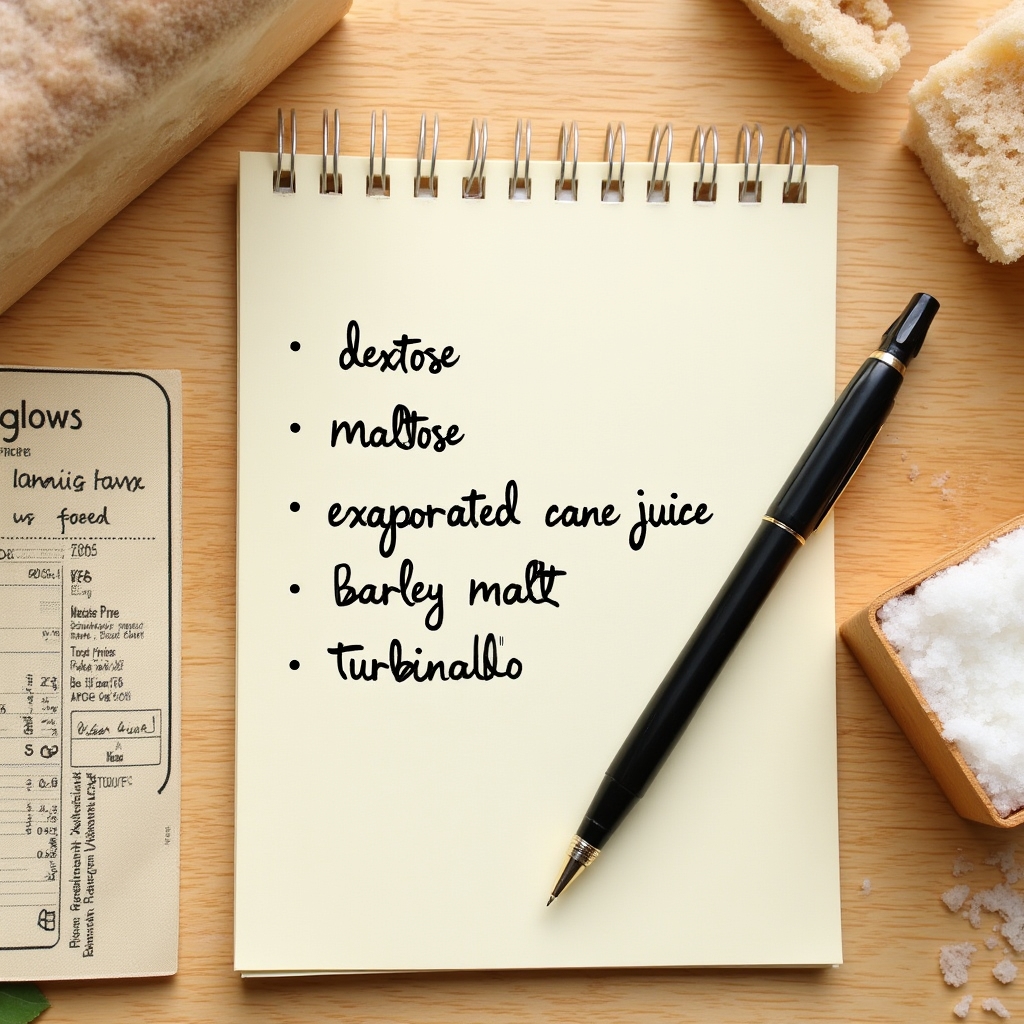
When one sweetener becomes five, the ingredient list looks very different from the nutrition panel. Here is how to read both together.
Read more
Food Label Education
Judife decodes food labels, ingredient lists, and nutrition panels using publicly available FDA guidelines. No dietary advice. Just clear information so the next grocery run feels less like guesswork.
Why This Exists
Food packaging is designed to sell. The label is a legal document. Those two goals don't always point in the same direction. Judife focuses on that gap.
The word appears on thousands of products. The FDA has not formally defined it for most foods. Understanding what that means in practice changes how a shelf full of "natural" products looks.
Added sugar shows up under dozens of names in ingredient lists. Knowing those names doesn't require memorizing all of them. There are patterns that make spotting them faster and more reliable.
The serving size printed on a nutrition panel is a regulatory reference unit, not a portion recommendation. It determines every other number on that panel. This distinction matters more than most people realize.
Most nutrition panels have twenty or more data points. In a grocery aisle with a cart and a list, reading all of them is unrealistic. Judife covers a three-number approach that surfaces the most relevant differences quickly.
Ingredient Lists
FDA regulations require ingredients to be listed in descending order by weight. The first ingredient is the most abundant. The last is the least. This single rule makes ingredient lists far more readable than they first appear.
The challenge is that manufacturers sometimes split one ingredient into several similar forms, distributing them across the list so none appears near the top. Recognizing this pattern is part of what Judife covers.
Read the Guide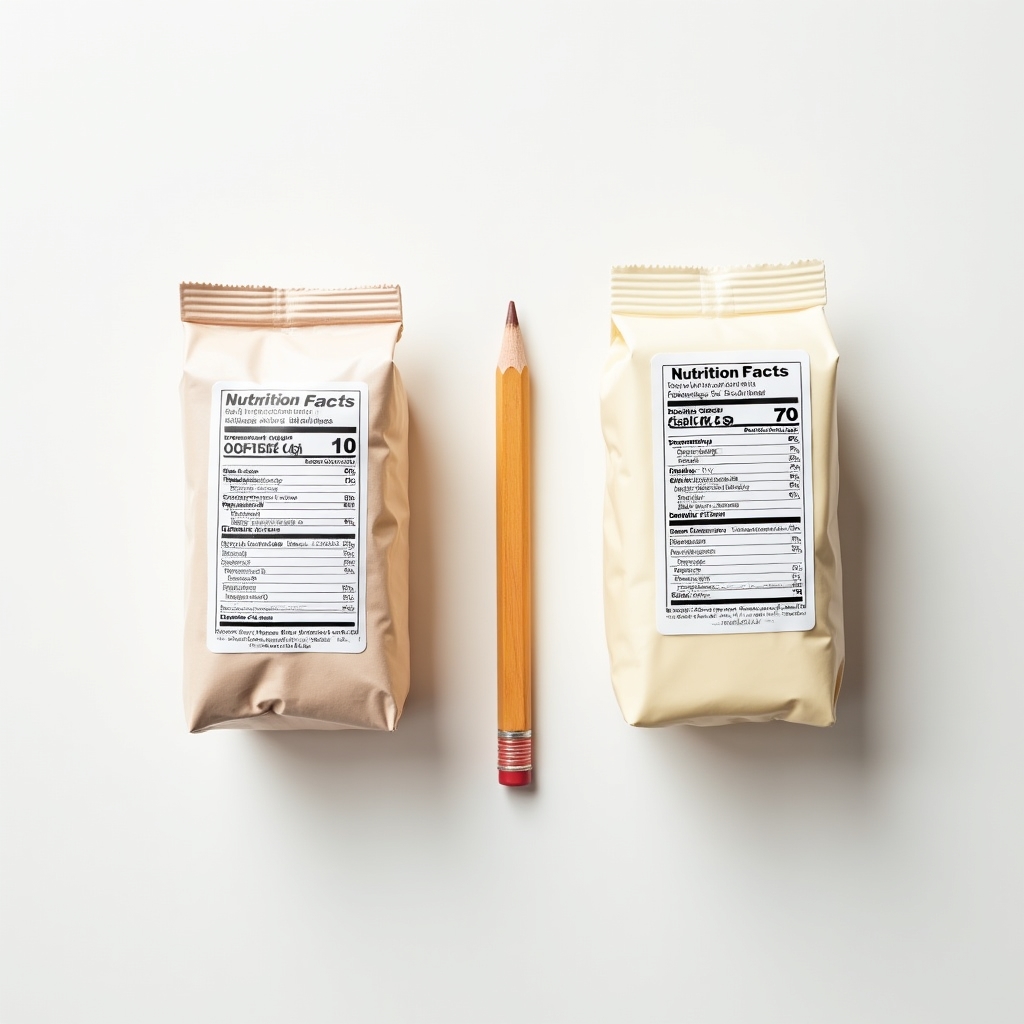
Nutrition Panels
The 2016 FDA nutrition label update made significant changes to how added sugars and serving sizes appear. Understanding what changed, and why those changes matter, gives context to every number on the panel.
Serving sizes are set by FDA reference amounts, but within those guidelines manufacturers have latitude. A "2/3 cup" serving and a "1 cup" serving of the same product category can both be technically compliant.
Explore Guides
Practical Application
The For Desk Workers section addresses the specific context of eating well while managing a full schedule. Not dietary advice. Practical information about what labels actually say and how to read them efficiently.
Convenience foods, packaged snacks, and prepared meals all carry nutrition panels. Understanding how to read those panels in under a minute is a learnable skill, not a special talent.
Read MoreCore Concepts
What the regulations actually say about what must appear on a label, and what is optional.
The 2016 label update added a separate line for added sugars. How to read it and what it reveals.
The %DV column is based on a 2,000 calorie reference diet. Understanding what that means for real use.
FDA-regulated claims like "low sodium" and "good source of fiber" have specific legal definitions. Knowing them removes the guesswork.
GRAS status, E-numbers, and what the ingredient list doesn't always tell you about processing.
USDA Organic is a regulated certification. "Natural" is not. The difference is significant and often misunderstood.
Recent Writing
Ingredient Lists
When one sweetener becomes five, the ingredient list looks very different from the nutrition panel. Here is how to read both together.
Read more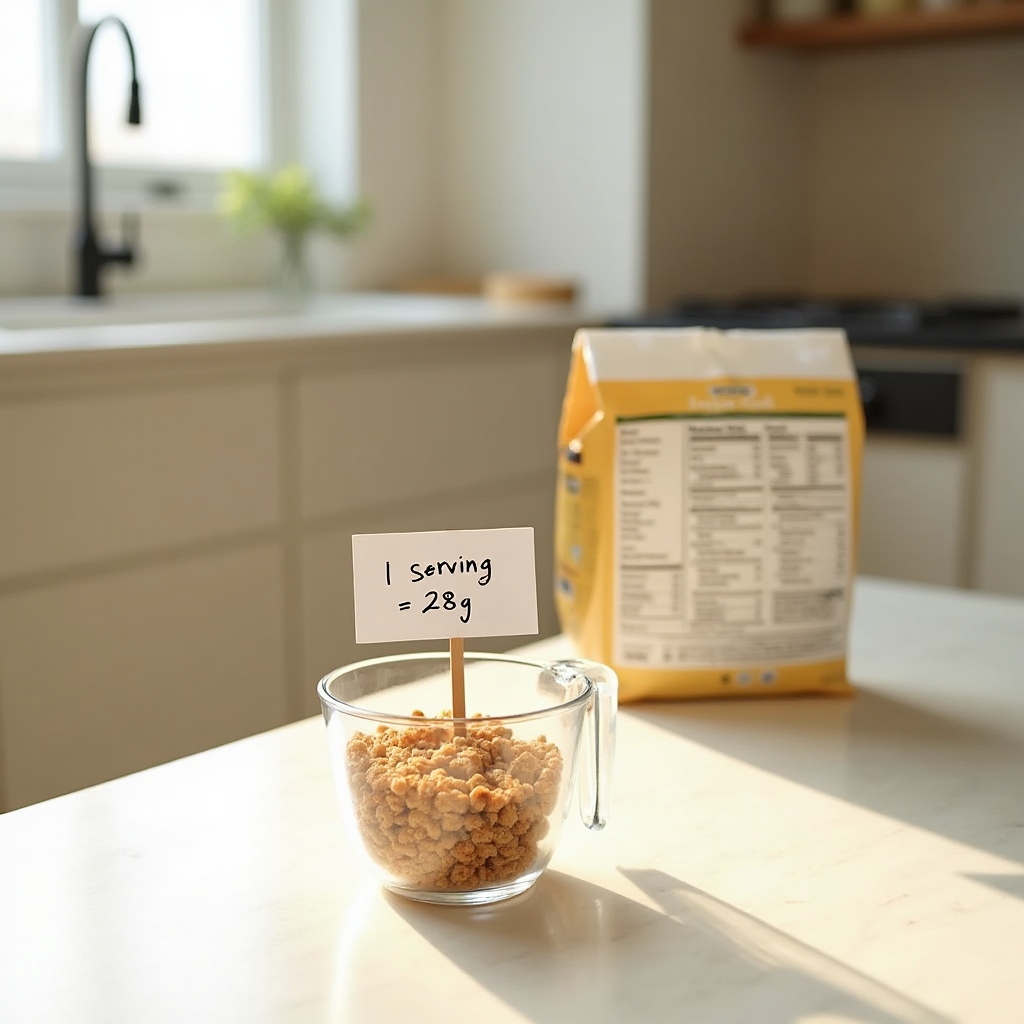
Nutrition Panels
FDA reference amounts are set by category. They are not a suggestion for how much to eat. The distinction changes every other number on the label.
Read more
Label Claims
Since 1991 the FDA has allowed manufacturers to use "natural" without a formal definition. A 2015 request for comment still hasn't produced binding rules.
Read moreThe contact page is open for questions about food labeling topics. Judife does not provide dietary advice, but general questions about how labels work are welcome.