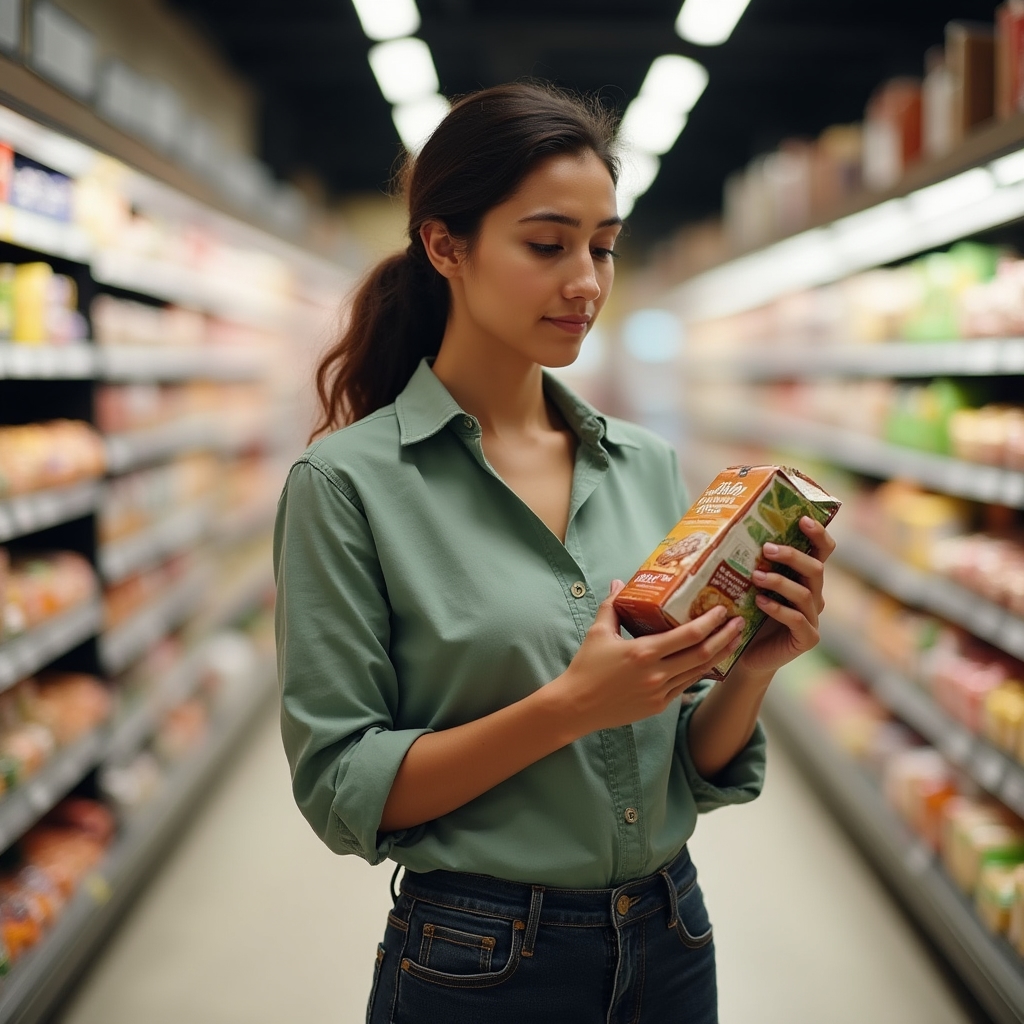
For Desk Workers
Packaged food is the reality of most workdays. This section covers how to read labels on the products that actually show up in office kitchens, desk drawers, and takeout bags. No agenda about what to eat. Just the information the label contains.
The Context
The foods that make up a typical office workday are almost entirely packaged. Protein bars. Yogurt cups. Crackers. Instant oatmeal packets. Pre-made salads with separate dressing. Each carries a label. Each uses the same regulatory framework. But the specific claims and packaging strategies vary by category.
This section focuses on the product categories that desk workers encounter most. Not as dietary guidance. As label literacy. Knowing what "high protein" means on a bar label, what the sodium figure on a soup packet represents at full serving, or how "lightly sweetened" compares to no qualifying claim at all - these are learnable distinctions.

Product Categories
The "high protein" claim has a specific FDA definition. So does "good source of protein." The bar label also frequently uses multiple protein sources to push total protein higher, which affects the ingredient list ordering. Understanding how protein claims work makes bar labels more readable.
Yogurt labels carry several claim types: live cultures, protein content, fat percentage. The fruit-on-the-bottom format often lists fruit very high in the ingredient list because fruit preparation is heavy. The separate fruit component and the dairy base sometimes have different serving sizes within one container.
Grain-based snacks carry more claim language than almost any other category. "Multigrain," "whole grain," "made with whole wheat," "7 grain." These phrases have different regulatory standing. Some are defined claims. Some are marketing language with no regulatory definition at all.
Instant oatmeal is one of the cleaner label-reading exercises because the serving size usually matches the package. The complication is flavored varieties, where added sugars can be significant. Comparing a plain variety to a flavored one using the added sugars line is a useful exercise in reading panels side by side.
Packaged salads with separate dressing represent one of the more interesting label-reading scenarios. The nutrition panel on the outer package may or may not include the dressing. Looking for "as packaged" vs. "as prepared" language, and checking whether the dressing is accounted for, changes the sodium and added sugar figures considerably.
Sodium figures on instant soup products are among the most commonly misread numbers in packaged food. The serving count on the package is the first thing to check. A cup with two servings listed doubles every number on the panel. This is not hidden information, but it is easy to miss under a fluorescent light with a meeting in ten minutes.
The Method
This is not a complete nutritional analysis. It is a quick comparison tool for when time is short and two similar products are in hand.
If the two products have different serving sizes, every other number is incomparable until you account for that. A 28g serving and a 40g serving of the same type of product make all the other numbers look different without any real difference in formulation.
The 2016 FDA label update made added sugars a separate line. This is one of the most useful changes in recent labeling history. Total sugars include naturally occurring sugars from fruit or dairy. Added sugars are what was put in during manufacturing. Comparing these two numbers across products surfaces real formulation differences.
Sodium is the number most affected by serving size manipulation and the one most commonly misread on multi-serving packages. After normalizing for serving size, the sodium figure is often the clearest differentiator between two similar savory products. The %DV column uses 2,300mg as the reference daily value.
If a specific desk food or packaged product category isn't covered here, the contact page is the right place to ask. Reader questions shape future guide topics.