Seasonal Guides

What the label says changes with the season

Packaged food marketing shifts with the calendar. Holiday editions, summer drinks, back-to-school snacks. The labeling rules don't change, but the claims and packaging strategies do. These guides address what to look for throughout the year.

All Guides

Browse by topic or season

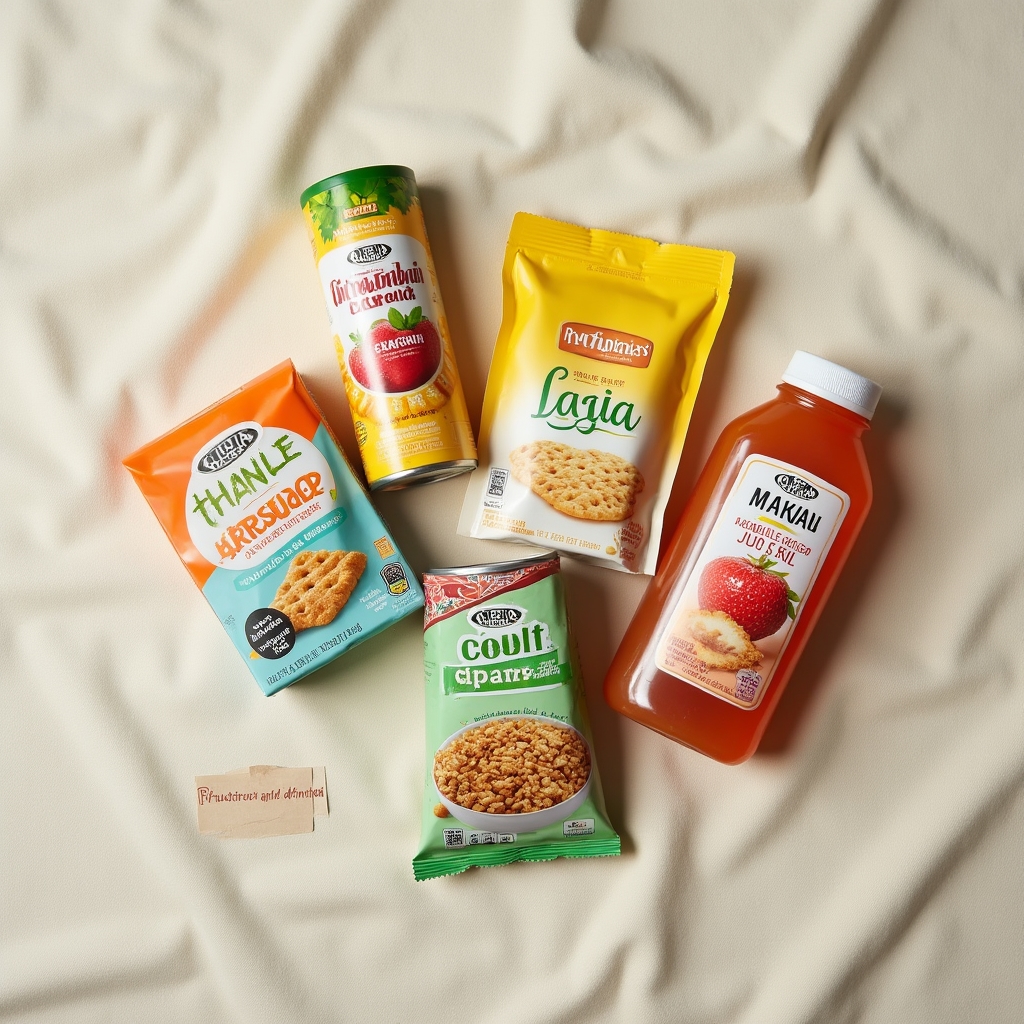
Collection of food products with natural claims on their labels
Label Claims

Year-Round

"Natural": What the FDA Has and Hasn't Said

Since 1991, the FDA has maintained an informal policy of not objecting to "natural" on labels when the product contains no added color, artificial flavor, or synthetic substance. That is not a formal definition. In 2015, the FDA opened a public comment period to consider establishing one. No final rule has been issued. This guide walks through what that means in practice for consumers reading labels today.

Intermediate FDA policy basis
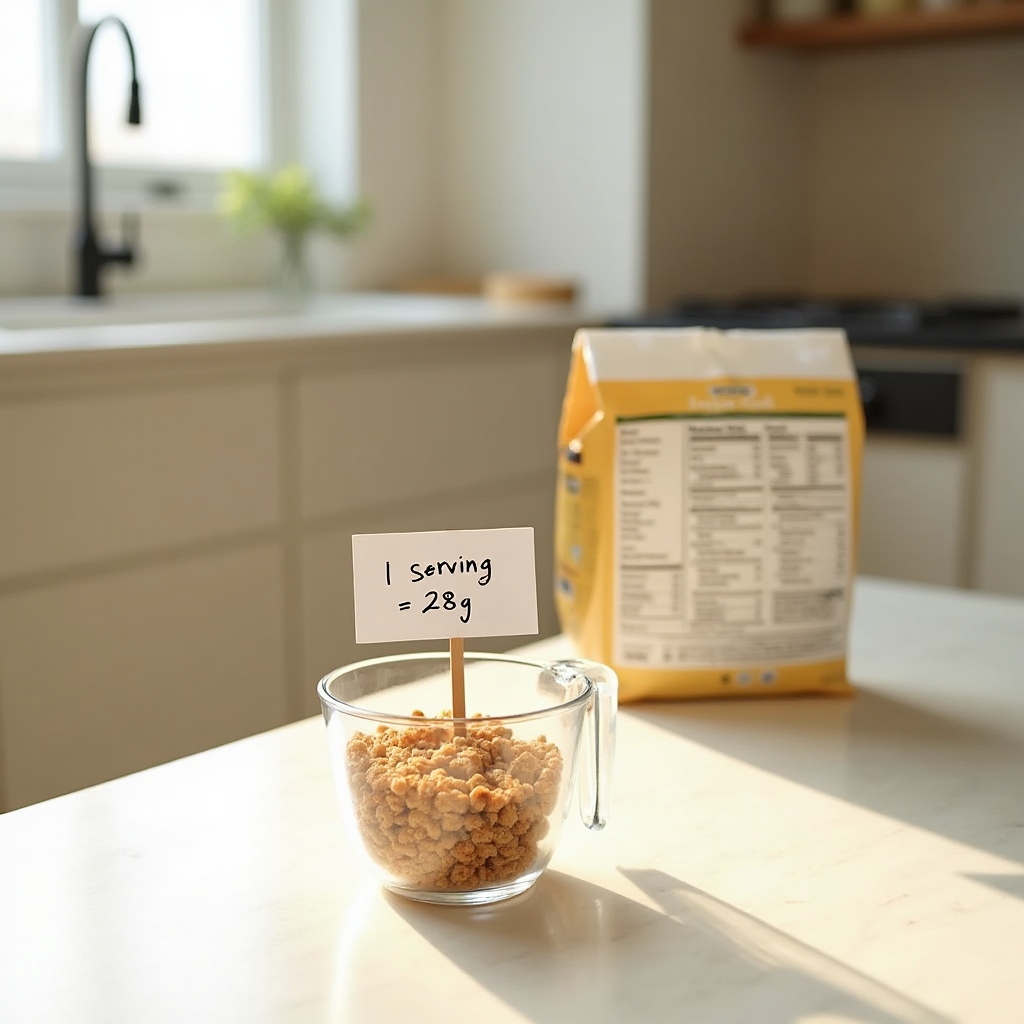
Measuring cup next to a food package showing serving size comparison
Nutrition Panels

Year-Round

Serving Size: Reference Unit vs. Portion Recommendation

FDA regulations at 21 CFR 101.12 establish Reference Amounts Customarily Consumed (RACCs) for different food categories. These are the basis for serving sizes on nutrition panels. They reflect average consumption data, not recommendations. A serving size of 28g for chips is a reference unit. Every calorie, sugar, and sodium figure on that panel is calculated per 28g. If you eat 56g, you double every number.

Essential 21 CFR 101.12
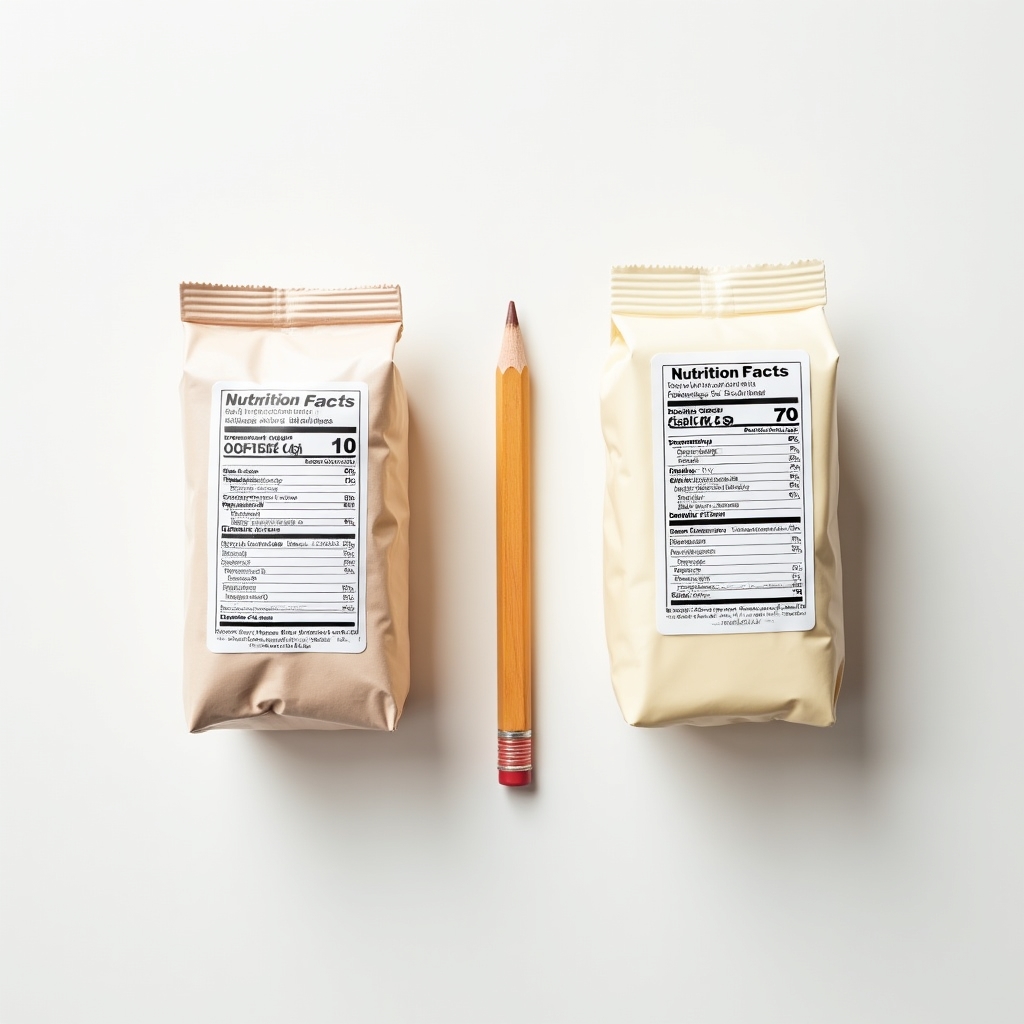
Two nutrition panels side by side for product comparison
Comparison Method

Practical Skills

The Three-Number Comparison Method

Twenty data points on a nutrition panel. Fifteen seconds to decide. The three-number method focuses on serving size first (to normalize the comparison), then added sugars, then sodium. These three numbers surface most of the meaningful differences between similar products. This guide explains why these three and not others, with worked examples using common product categories.

Practical Applied method

Winter / Holiday Season

Holiday Packaging and Label Reading: What Changes in November and December

Seasonal packaging introduces gift-size formats, multi-serve containers, and limited-edition products that sometimes carry different serving size calculations. Holiday baked goods, candy, and beverages often use serving sizes that differ from their year-round equivalents. This guide covers what to check when the packaging is unfamiliar.

Winter Guide

Summer Season

Sports Drinks, Juices, and Summer Beverages: Reading the Label on What You Drink

Beverages present specific label-reading challenges. "Juice drink" and "100% juice" carry different regulatory meanings. Electrolyte drinks often use sodium figures that look small per serving but large per bottle. This guide covers the beverage label conventions that differ from solid food labels.

Summer Guide

Back-to-School Season

Snack Bars, Pouches, and Packaged Snacks: What the School-Friendly Label Doesn't Say

Products marketed toward children's lunches and school snacks frequently carry claims like "made with whole grains" or "good source of calcium." Each of these claims has a specific FDA definition. This guide explains what those definitions require and what they leave out.

Fall Guide

Suggest a guide topic

If there is a label type, product category, or specific claim that is confusing, the contact page is the right place to ask. Judife uses reader questions to guide future writing.