About
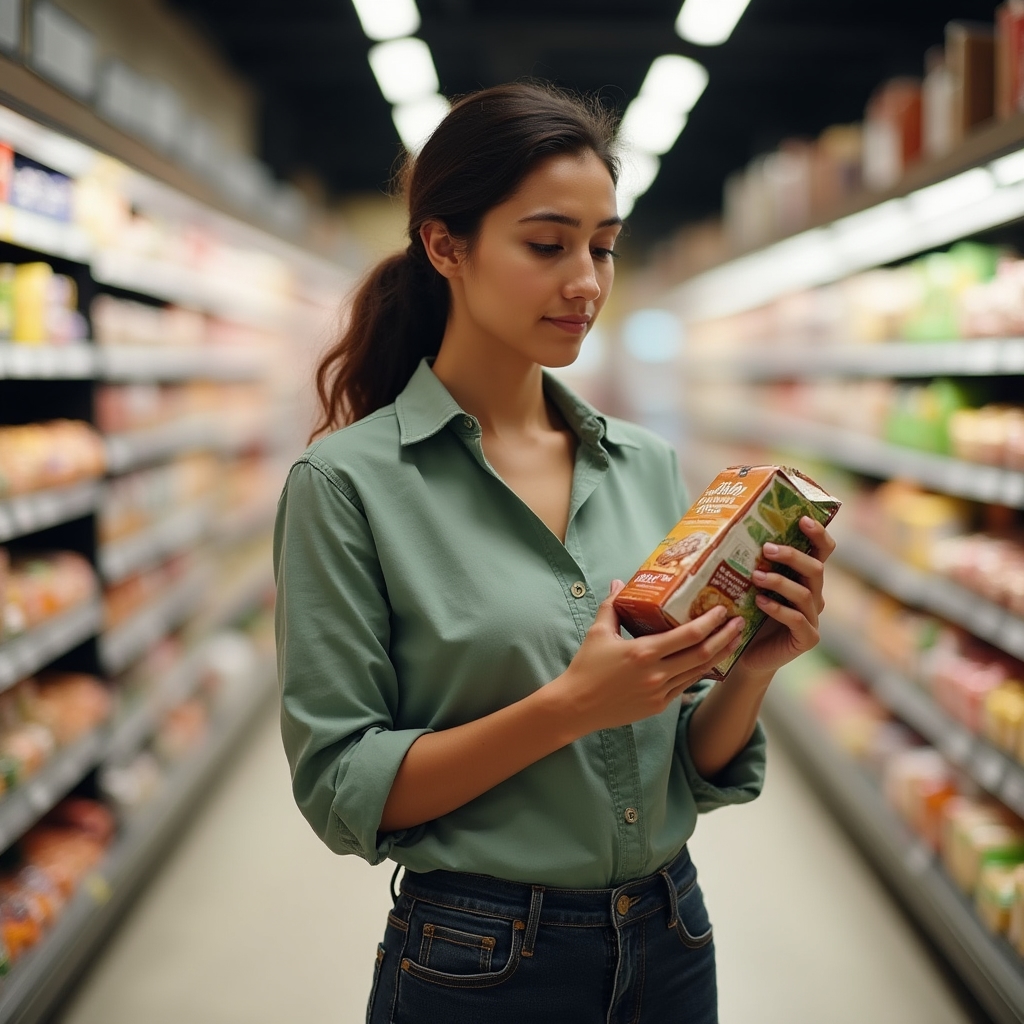
A consumer education project built by one person who got tired of standing in a grocery aisle, turning over a package, and feeling more confused after reading the label than before.

Philadelphia, PA
Food label researcher
Judife was started by someone with a background in research and a specific frustration: food labels are governed by detailed federal regulations that are publicly available, yet almost nobody reads them. Marketing language fills the front of the package. The back contains a legal document most people don't know how to parse.
The project started as a collection of notes. Which words have legal definitions and which don't. What the ingredient list ordering rule actually means. Why "serving size" is not a portion recommendation. Those notes became this site.
There is no dietary agenda here. No preferred eating style. No products to sell. The content covers FDA labeling regulations, USDA certification standards, and federal food law because those are the documents that govern what appears on the labels you read every week.
Questions are welcome through the contact page. Judife does not provide personalized dietary or health advice, but questions about how labels work, what specific claims mean, or how to read a particular type of panel are exactly what this project exists to address.
What Guides This Work
Every claim traces back to an FDA document, USDA regulation, or federal statute. If it can't be sourced to a primary document, it doesn't appear here.
Judife explains what labels say. What to eat based on that information is a personal decision that belongs to the reader, not to this site.
Food labeling law is genuinely complicated. Some questions don't have clean answers. Judife tries to reflect that honestly rather than oversimplify.
FDA regulations change. Guidance documents get updated. When labeling rules shift, content here is reviewed and revised to reflect current requirements.
The contact page is the right place to start. Judife reads every message and addresses label-reading questions in future guides when the topic is broadly useful.